The 2026 Musician EPK Checklist: What Booking Agents Actually Want to See

In 2026, the old-school PDF attachment is dead. Promoters are busier than ever, and they want a fast, mobile-friendly link that gives them everything in one click. Here is the essential EPK checklist for musicians who want to get booked—not ignored.
What is an EPK?
An EPK (Electronic Press Kit) is a digital resume for musicians. It’s a single link that shows promoters and booking agents your best work—your music, photos, bio, and contact information—so they can decide quickly whether to book you.
Think of it as a one-stop shop for anyone in the music industry who needs to evaluate you as a potential act. Instead of sending a scattered mix of Dropbox links, Instagram handles, and long emails, your electronic press kit packages everything into one clean, professional page that’s easy to open on any phone or computer.
Whether you’re a solo artist, a full band, or a DJ, having a polished EPK is no longer optional—it’s expected. If you want to land gigs at festivals, venues, or private events, your EPK is your first impression.
Who Needs an EPK?
If you’re performing music and want to be taken seriously by industry professionals, you need an EPK. That includes solo artists, bands, DJs, producers, and anyone applying for festival slots, venue bookings, grant applications, or press coverage.
Even if you’re just starting out, having a simple artist press kit shows promoters that you’re professional and prepared. It’s the difference between a quick “yes, send me more info” and landing directly in the trash folder
How Do I Make an EPK in 2026?
You can take this entire checklist and turn it into a professional, lightning-fast EPK in under 5 minutes using About My Sound. No credit card required.
The Complete 2026 EPK Checklist
Here is every element your EPK needs to impress a booking agent, listed in the order of importance. Use this as your checklist when building or updating your music press kit.
1. Three Versions of Your Artist Bio
Your bio shouldn’t be a novel. Booking agents skim EPKs in 30 seconds or less. According to our guide on how to write a musician bio, you need three versions ready to go:
The Elevator Pitch (1 Sentence)
Use this for social media profiles, festival application forms, and quick email intros. It should name your genre, your city, and one hook that makes you memorable.
Example: “Luna James is a Halifax-based indie-pop singer-songwriter known for dreamy hooks and lo-fi textures.”
The Short Bio (1 Paragraph)
Use this for festival lineup descriptions, Spotify “About” sections, and playlist pitches. In three to five sentences, describe your sound, mention one or two notable credits, and state what you’re working on.
Example: “Jamie Fox is a Toronto-based soul-rock artist blending blues grit with gospel roots. With influences from Gary Clark Jr. to Brittany Howard, her sound hits hard and lingers long after. She’s played over 50 shows across Ontario and is currently recording her next EP.”
The Full Bio (2–3 Paragraphs)
Use this for your EPK page, website About section, and press features. Write in the third person so journalists can copy and paste it directly into articles. Open with a hook, add background and accomplishments in the middle, and close with what’s next.
Example: “Mina El-Sayed is an Egyptian-Canadian violinist and composer known for blending classical instrumentation with Middle Eastern rhythms and electronic soundscapes. A graduate of Humber College’s jazz program, her compositions have been featured in indie films, short documentaries, and live performance art. Her debut project ‘Between Sands’ explores themes of identity and diaspora through string-driven storytelling. In 2024, she was awarded a Toronto Arts Council grant and is currently preparing a multidisciplinary live show set to tour across Ontario and Quebec in 2025.”
Common Bio Mistakes to Avoid
- Writing in first person (“I” / “we”) instead of third person
- Overloading with buzzwords like “unique sound” or “raw energy” without specifics
- Forgetting to mention your city, genre, or any concrete accomplishments
- Leaving out what you’re currently working on or available for
For a complete step-by-step guide with templates, read our full article: How to Write a Musician Bio in 2026.
2. High-Resolution Press Photos (Vertical & Horizontal)
Don’t just upload one photo. Promoters need variety for different formats, and they won’t crop your images for you. If they can’t find a photo that fits their poster or website banner, they may move on to the next artist.
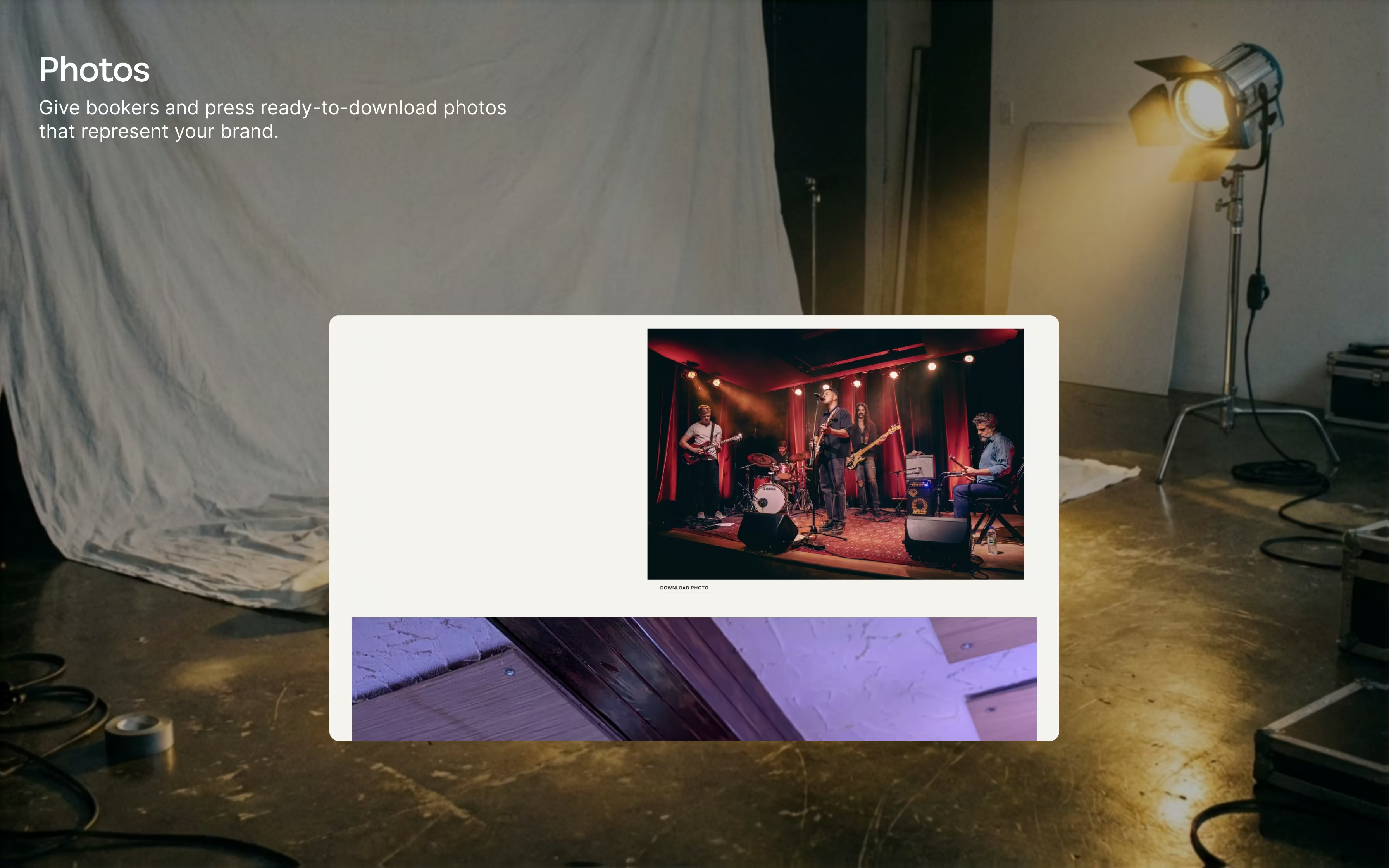
Include at least three types of press photos in your electronic press kit:
Landscape (Horizontal)
These are used for website banners, Facebook event covers, and festival lineup announcements. Aim for at least 3000px wide.
Portrait (Vertical)
These are used for Instagram Stories, venue posters, and print media. Vertical photos are increasingly important as mobile-first promotion becomes the default.
Live Performance Shot
This is what separates a serious act from a bedroom project. A photo of you performing live—on stage, under lights, with a crowd visible—proves to a booking agent that you can actually draw and entertain an audience. If you don’t have a great live shot yet, ask a friend to shoot your next gig or invest in a photographer for one show.
Photo Tips for Your EPK
- Use high-resolution images (300 DPI minimum for print, 72 DPI for web)
- Ensure photos reflect your current look and branding
- Offer downloadable versions so promoters can grab them without emailing you
- For advice on building a cohesive visual identity, check out our Branding 101 for Musicians guide
3. Embedded Music & Live Performance Video
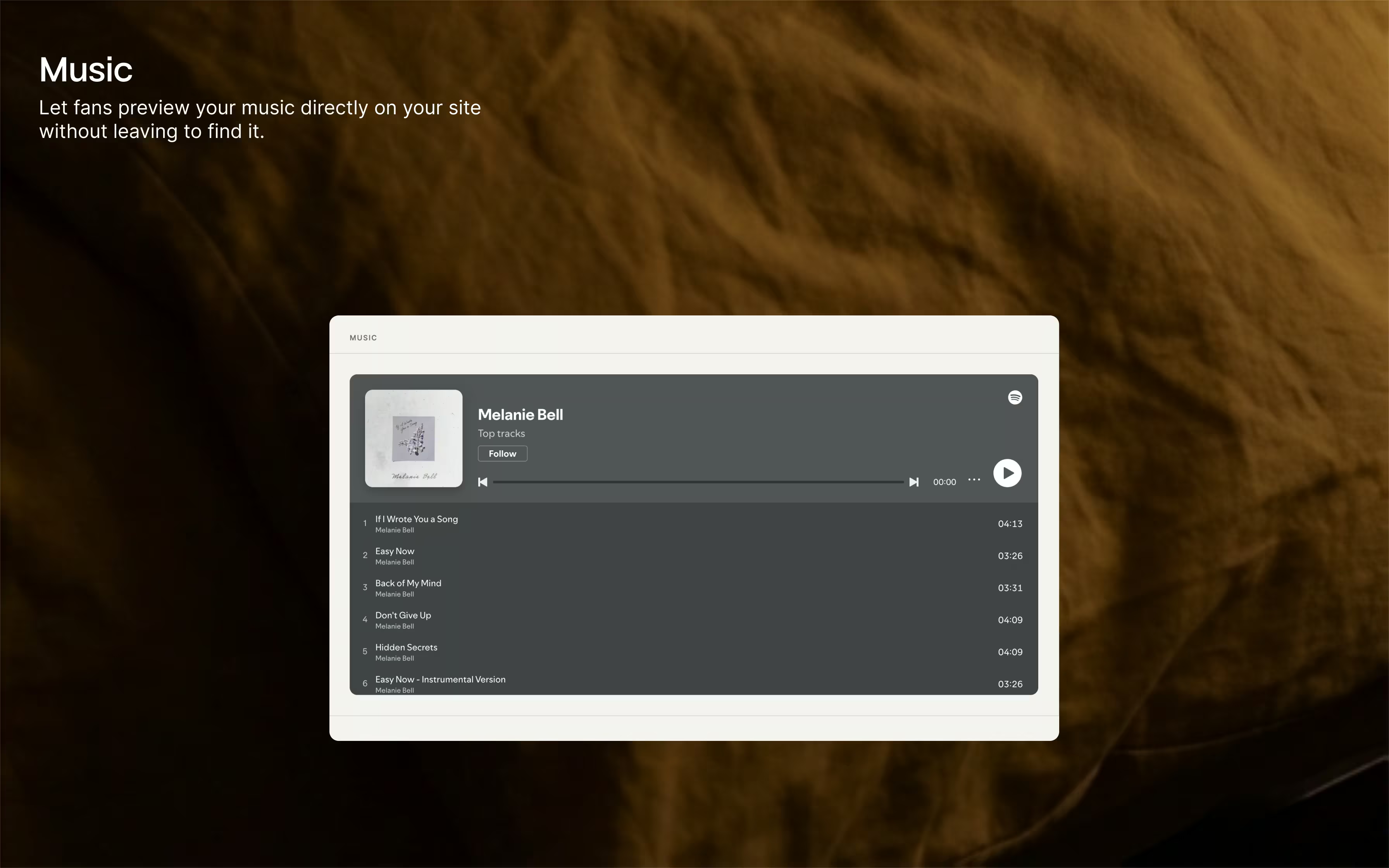
Don’t make a promoter search for you on Spotify. Your EPK must include playable music directly on the page. If they have to leave your press kit to hear you, you’ve already lost their attention.
Embedded Music Player
Include your top two to three tracks as an embedded Spotify, SoundCloud, or Apple Music player. Choose songs that represent your sound at its best—don’t overwhelm with your entire discography. Lead with your strongest track.
Live Performance Video
This is the single most important element for a booking agent. A raw, high-quality video of you performing live is the number one way to build trust. Promoters want to see that you can command a stage, engage a crowd, and deliver the energy your recordings promise. Even a well-shot phone video from a real gig is better than a polished music video with no live element.
What to Include vs. What to Skip
- Include: Your two to three strongest tracks, one high-quality live video, links to your Spotify and YouTube
- Skip: Rough demos, low-quality recordings, music videos with no live performance element, your entire back catalogue
4. Press Quotes, Streaming Stats & Social Proof
This is the section that many musicians skip, but it’s what separates a good EPK from a great one. Booking agents are making a business decision—they want evidence that booking you is a safe bet.
Press Quotes & Coverage
If a blog, newspaper, radio station, or podcast has ever said something positive about your music, include the quote with attribution. Even a short mention like “Featured on CBC Radio” or “Reviewed by BlogName” adds credibility. Don’t have press coverage yet? That’s okay—skip this section for now and come back when you do.
Streaming & Social Media Stats
If your numbers are strong, include them. Total Spotify streams, monthly listeners, YouTube views, TikTok followers—these data points tell a promoter how much built-in audience you’re bringing. But be honest: if your numbers are modest, lead with other strengths instead. There’s no shame in being an emerging artist—just focus on what you do have.
Notable Performances & Past Gigs
List any notable venues, festivals, or events you’ve played. This shows booking agents that other professionals have already vetted and trusted you. If you’re early in your career, mention opening slots, showcase events, or battle-of-the-bands wins.
5. Technical Rider & Stage Plot
This is the most overlooked part of a band EPK, and it’s the one that tells a promoter you’re a true professional. Including a simple stage plot PDF shows that you’ve thought about the logistics, you respect the sound engineer’s time, and you won’t cause a headache on show day.
What is a Stage Plot?
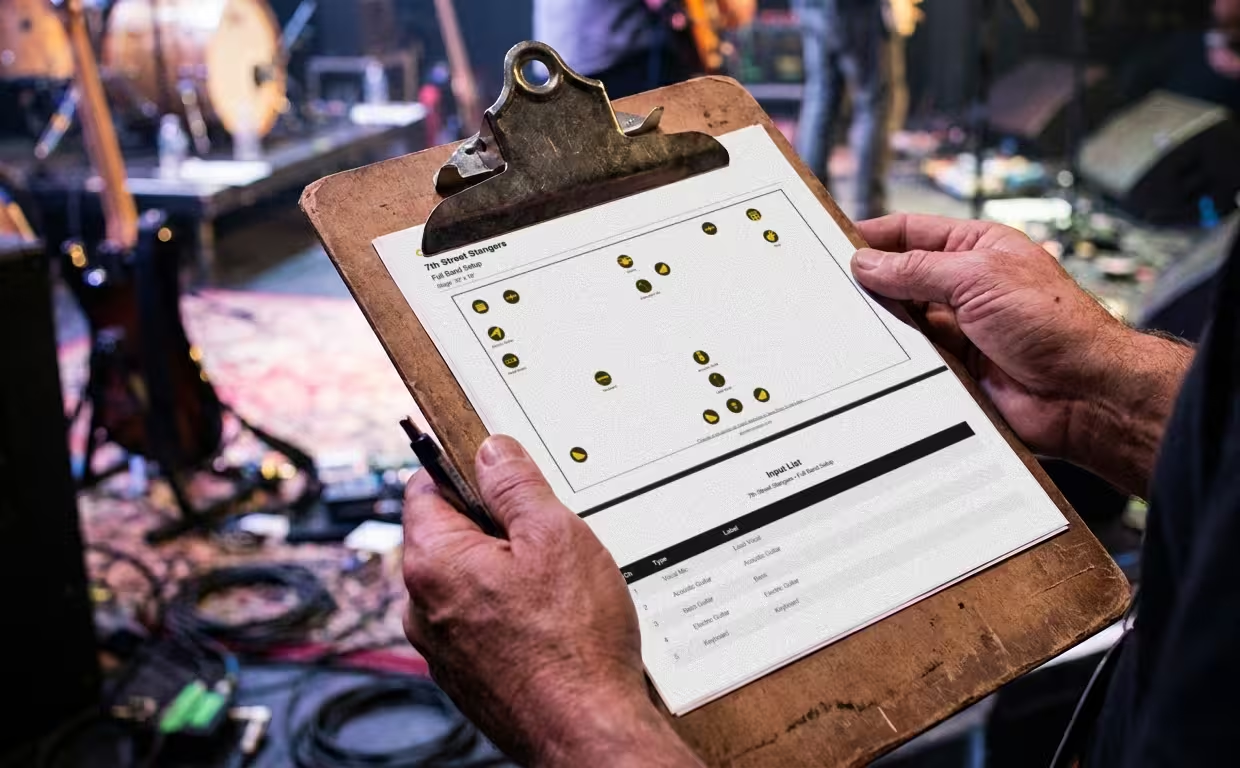
A stage plot is a visual diagram showing where each member and piece of equipment should be positioned on stage. It includes microphone placements, monitor positions, DI boxes, and amp locations. For a complete walkthrough, read our guide on how to create a professional stage plot.
What is a Technical Rider?
A tech rider lists everything you need from the venue: PA system specifications, number of monitors, microphone types, power requirements, and any special requests. Keep it concise and reasonable—especially if you’re an emerging act. A one-page rider is usually sufficient.
You can generate a professional stage plot in minutes using About My Sound’s Stage Plot Generator and attach it directly to your EPK.
6. Direct Booking Contact Information
This sounds obvious, but you’d be surprised how many press kits make it difficult to find contact information. Your EPK must include a clear, dedicated booking email address and links to your most active social media channels.
Best Practices for Contact Info
- Use a professional email address (booking@yourname.com, not a personal Gmail)
- Include separate contacts for booking, management, and press if applicable
- Link only to social profiles where you’re actively posting—a dead Instagram page does more harm than good
- Link to your artist website as the central hub for your online presence
- Consider adding a booking request form so promoters can submit inquiries directly from your EPK
7. Discography & Upcoming Releases
Include a clean list of your released projects—albums, EPs, and notable singles—with release dates and links. This gives a booking agent a quick sense of how active and established you are. If you have an upcoming release, mention it with the expected date. Not sure about the difference between formats? Our guide on EPs vs. Albums breaks it down.
EPK Format: Web-Based vs. PDF vs. One-Sheet
There are three common formats for an electronic press kit, and each has its place:
Web-Based EPK (Recommended)
A dedicated page on your artist website or a purpose-built EPK platform. This is the gold standard in 2026 because it’s mobile-friendly, always up to date, and lets promoters stream your music without downloading anything. You can build one in minutes with a tool like About My Sound.
PDF EPK / One-Sheet
A downloadable one-page or two-page summary. Useful as a backup for email pitches and offline situations, but it can’t embed playable music. Think of it as a supplement to your web-based EPK, not a replacement.
Cloud Folder (Google Drive / Dropbox)
A shared folder with your assets. This is the least professional option but works in a pinch. If you go this route, make sure files are clearly labelled and the folder structure is intuitive.
What Makes a Great EPK? Examples & Best Practices
The best electronic press kits share a few traits: they’re scannable in under 60 seconds, they lead with music (not text), and they make the booking action easy. Here’s what to aim for:
- Lead with a hero section. Your name, genre, city, and a striking photo should be the first thing anyone sees.
- Put music above the fold. An embedded player or a live performance video should be playable without scrolling.
- Keep the bio concise. Use your short bio on the EPK itself. Link to the full version on your website’s About page.
- Make assets downloadable. Promoters need high-res photos and your stage plot without emailing you for them.
- Include a clear call to action. A booking email or request form should be visible at all times, ideally in a sticky header or footer.
- Keep it current. An EPK with outdated photos, old tour dates, or a “coming soon” section that never arrived signals that you’re inactive. Update it after every release, tour, or milestone.
For more tactical advice on using your EPK to book shows, see our companion article: How to Create an EPK That Gets You Gigs.
EPK Mistakes That Cost You Gigs
Avoid these common pitfalls that make promoters hit the back button:
- No live video. This is the number one deal-breaker. A polished studio track proves you can record. A live video proves you can perform.
- Broken or expired links. Test every link in your EPK monthly. A dead SoundCloud embed or a 404 photo link is an instant credibility killer.
- Too much information. An EPK is not your autobiography. Booking agents spend under a minute on your page. Every word should earn its place.
- No mobile optimization. Promoters check EPKs on their phones between sets at shows. If your page doesn’t load cleanly on mobile, they’re gone.
- Requiring downloads to listen. Never force someone to download an app, a file, or leave your EPK to hear your music. Embedded streaming is non-negotiable.
- Linking dead social accounts. Only link to social profiles where you’re actively posting and engaging. A Twitter account with three tweets from 2022 hurts more than it helps.
Don’t Let Tech Hold You Back
Building a professional press kit used to require hours of coding or expensive designers. In 2026, you should be playing chords, not code.
With About My Sound, you can build a stunning, mobile-optimized EPK and artist website in under five minutes. Embed your music, upload press photos, generate a stage plot, and share a single link with any promoter. Everything stays in one place, and you can update it any time without touching a line of code.
Curious how it compares to other options? Read our Bandzoogle vs. About My Sound comparison or explore our website templates to see what’s possible.
Next Steps: Beyond Your EPK
Your EPK is the door opener, but it’s part of a bigger picture. Here are some related resources to keep building your career:
- How to Book Your First Gig in Toronto — a step-by-step guide for emerging artists
- 7 Best Practices for Submitting to Music Festivals — what festival bookers actually look at
- Meta Ads for Musicians — promote your shows without wasting money
- Best Ticketing Platforms for Indie Musicians — sell your own tickets with no fees
- Funding Your EP/Album Recording — Canadian Music Grants Guide — free money for your next project
- How to Get Paid for Your Music in Canada — SOCAN, MROC, and more
- Why Every Emerging Artist Needs a Website — and why link-in-bio tools aren’t enough